One of the most significant threats to a mining or quarrying operation is the failure of a belt conveyor and the resultant downtime and ultimately lost production. Given that the consequences can vary from expensive to disastrous, it is logical for operations to take every possible measure to prevent such events from happening. A proactive maintenance strategy is therefore crucial for efficient conveyor performance and serves as the best defence against catastrophic failures.
According to Mabula, conveyors are the lifeblood of mining or quarrying operations, and their stoppage means lost production. A proactive maintenance strategy is therefore non-negotiable. By anticipating wear and addressing issues before they become failures, explains Mabula, operations can significantly reduce unplanned downtime, extend the lifespan of belts and components, as well as improve safety.
“Proactive maintenance also helps optimise operating costs by reducing emergency repairs, minimising spillage and improving energy efficiency through properly aligned and tensioned belts. Ultimately, it shifts maintenance from being a cost centre to a value-adding function that safeguards production continuity,” says Mabula.
Best practice
As someone who is always on the ground to help operations optimise their conveyor systems, Mabula highlights some of the proven best practices, and one of the principal ones is regular belt inspections – checking for signs of wear, mistracking and joint failures. Early detection of these issues allows for proactive, preventative maintenance before problems escalate into expensive, production-halting failures.
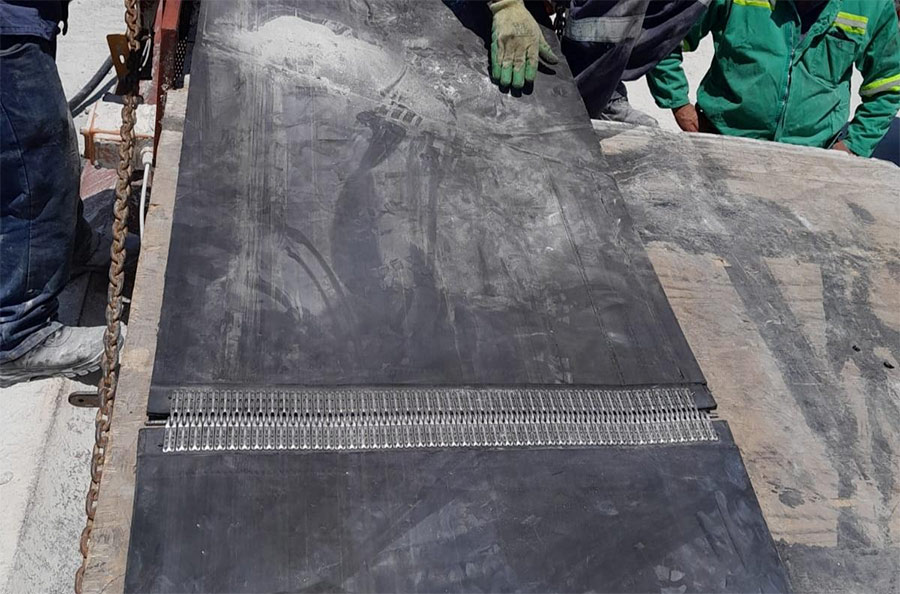
It is also important to maintain splices regularly, adds Mabula, ensuring clips are properly installed and replaced on time. Proper splice maintenance reduces the risk of belt failure, material loss, and damage to other components, while also lowering long-term costs associated with repairs and replacements.
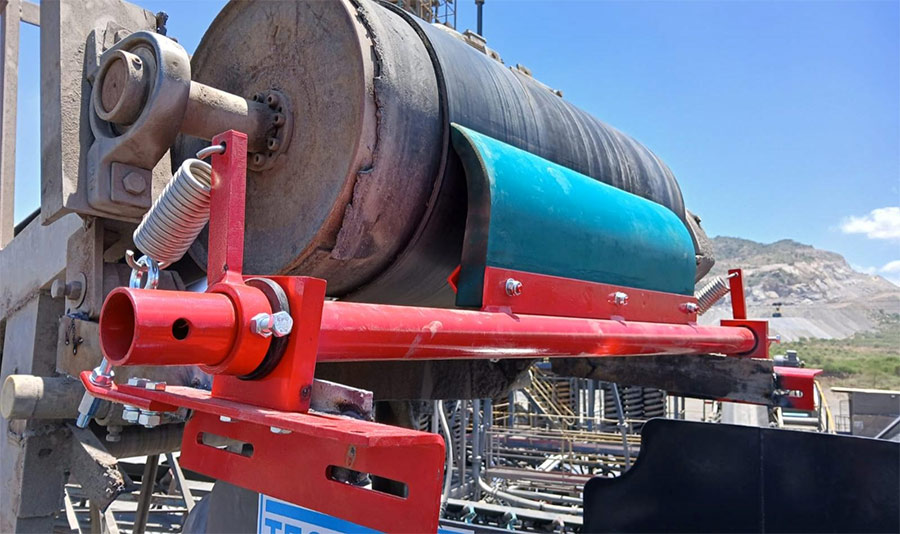
Regular belt cleaner maintenance – replacing blades and maintaining correct tension to minimise carryback and spillage – is critical. Maintaining proper belt cleaner operation extends belt life, reduces energy consumption, enhances worker safety, ensures product quality, and ultimately lowers maintenance costs and increases operational productivity.
Lubrication – keeping idlers, pulleys, and bearings in peak condition – is another key component of a proactive conveyor maintenance regime. By minimising friction and wear between components such as pins and bushings in chains, lubrication significantly extends the life of the conveyor system.
“Regular training and operator involvement also ensures teams are equipped to spot early warning signs and perform routine checks. When these practices are embedded into daily routines, plants experience fewer breakdowns and better overall belt performance,” says Mabula.
Technological advancements
The advent of technologies such as real-time monitoring systems has over the years changed the face of conveyor maintenance. Real-time monitoring systems transform conveyor maintenance by shifting from reactive to predictive maintenance, enabling continuous data collection and analysis to detect anomalies early.
“Real-time monitoring systems are transforming conveyor maintenance. Technologies such as belt misalignment detectors, load sensors and vibration monitoring, provide continuous data on conveyor performance. This enables predictive maintenance, where teams can act on early warnings, such as a bearing overheating or a splice beginning to fail, before the issue escalates. Beyond reliability, monitoring also improves safety by reducing the need for constant manual inspections in hazardous areas,” says Mabula.

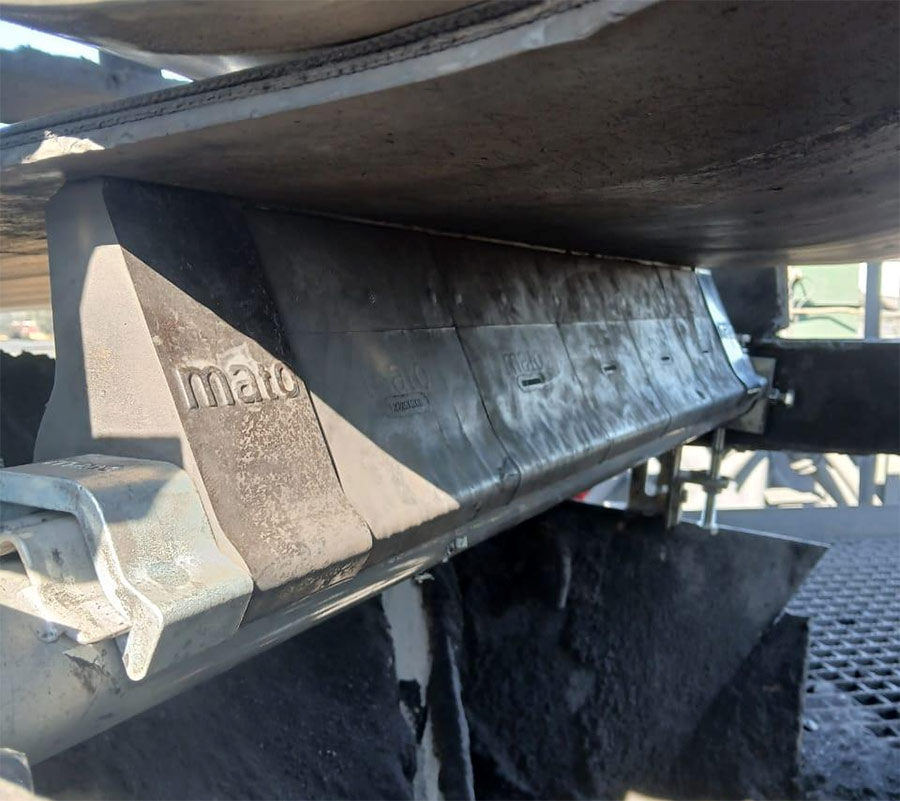
Apart from real-time monitoring, Mabula notes that several other technologies have come to market to help with conveyor system maintenance. These include automated belt cleaners that adjust themselves to maintain optimal pressure; advanced splicing tools and fasteners designed to improve joint strength and reduce installation time; wear sensors embedded into liners and scrapers that trigger alerts when replacement is due; and drone and AI-based inspections to survey long overland conveyors or inaccessible sections of plant conveyors.
In conclusion, Mabula stresses that a proactive conveyor maintenance strategy is not just about technology or best practice, it is about culture. Mines and quarries that empower their teams with the right tools, training, and mindset to care for their conveyors consistently outperform those that wait for breakdowns to occur.
“In today’s competitive environment, proactive maintenance is a competitive advantage, not just a technical necessity. Overall, investing in proactive strategies and smart tools enhances reliability, safety, and productivity,” concludes Mabula.