A culture of shared responsibility and strong frontline engagement has helped De Beers achieve the lowest safety incident rate in its 135-year history. The company reported a total recordable injury frequency rate (TRIFR) of 1.0 for 2025 across its global operations, improving on the previous year’s record performance.
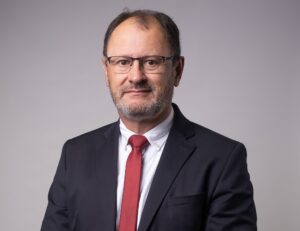
According to Tefo Molosiwa, Head of Policy & Planning: Safety, Sustainable Development and Risk at De Beers, the milestone reflects a deliberate shift towards empowering employees to take ownership of safety practices across the business.
“At De Beers, we have leaned into the experience, care and institutional knowledge in our teams by listening, learning and partnering rather than instructing,” Molosiwa says. “This approach has strengthened leadership and accountability in health and safety at every level of the organisation.”
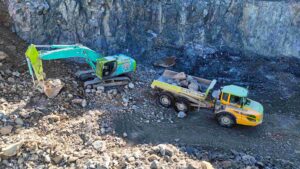
Across operations in Botswana, Namibia, South Africa and Canada, the company’s safety strategy draws heavily on the insights and experience of its frontline workforce. Many employees – including truck drivers, electricians, maintenance teams and pit operators – are recruited from communities located close to mining operations and often have longstanding connections with the mines.
Molosiwa notes that this deep local knowledge is a valuable asset in strengthening safety awareness and risk management. Employees are encouraged to share their observations and ideas, ensuring that practical operational experience informs safety processes and improvements.
By actively involving frontline teams, De Beers has created a working environment where safety is seen not only as a compliance requirement but as a shared responsibility embedded in daily operations. This approach allows potential risks to be identified earlier and addressed more effectively.
The company’s strategy also emphasises collaboration between employees, contractors and leadership teams. Through open communication and continuous learning, De Beers aims to ensure that safety practices evolve alongside operational demands and changing mining conditions.
Molosiwa emphasises that achieving record safety performance does not mark the end of the journey.
“Safety is not a destination,” he says. “It requires constant attention, learning and improvement. Our focus remains on building a culture where everyone takes responsibility for looking out for themselves and for each other.”
The record TRIFR result reflects the impact of this long-term commitment to strengthening safety culture across De Beers’ global operations.