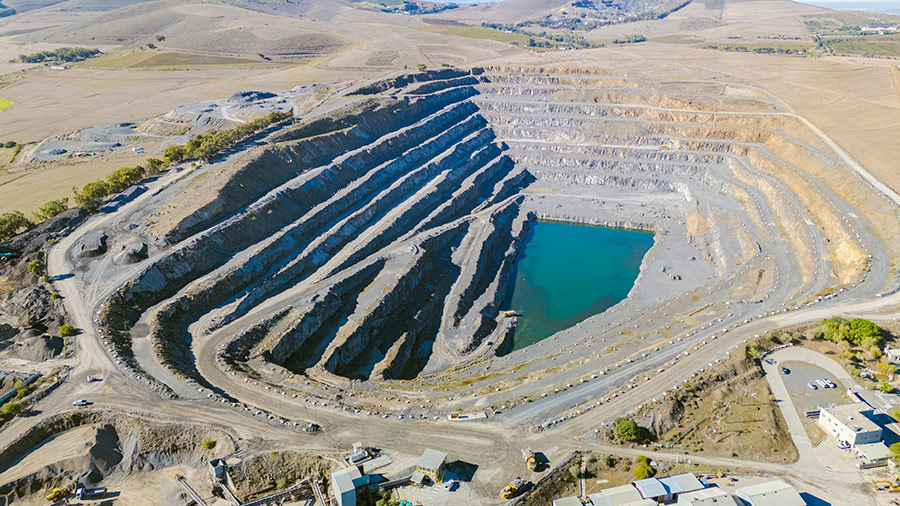
Located approximately 25 km north of Cape Town, AfriSam’s Peninsula Quarry is strategically positioned to serve one of South Africa’s busiest construction markets. Supplying high-quality aggregate to the asphalt, readymix, building and civil engineering sectors across the greater Cape Town area, the operation plays an important role in supporting the region’s ongoing infrastructure and development projects.
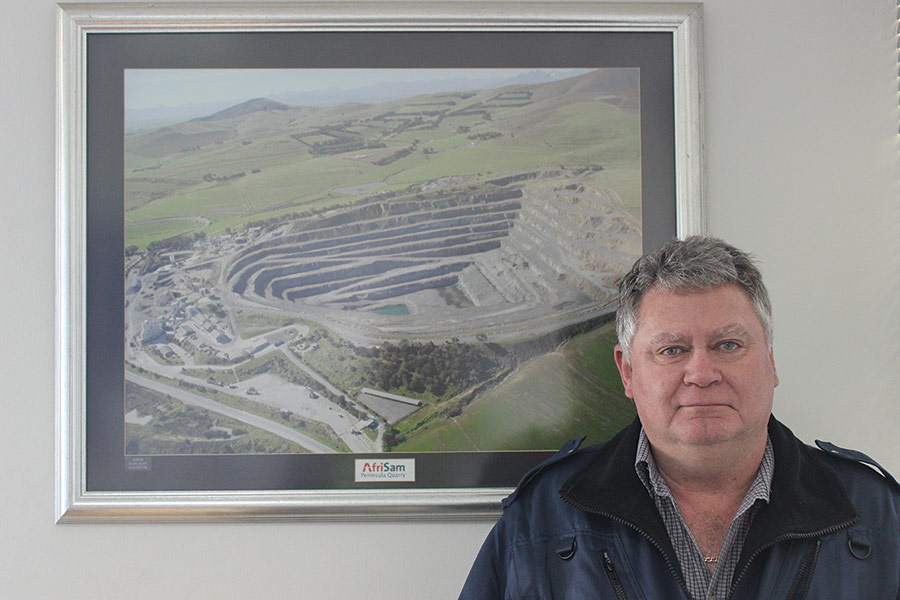
With a production capacity of 1,2-million tonnes per annum (tpa), Peninsula Quarry ranks among the largest aggregate operations in the Western Cape and South Africa. However, its success goes beyond output alone and the fact that it is one of the best looking quarries in South Africa.
In an industry where productivity must go hand in hand with safety, environmental stewardship and regulatory compliance, the quarry continues to demonstrate how operational excellence, optimisation and responsible resource management can coexist.
Through a sustained focus on efficiency improvements, technology adoption and best practice, Peninsula Quarry is meeting market demand while ensuring its operations remain sustainable over the long term.
Plant operations
With a current design capacity of 1,2-million tpa, the processing plant is central to the quarry’s value-creation process. As a result, particular attention is placed on optimising plant performance. Speaking to Quarrying Africa, Works Manager Chris Kruger says the performance of the crushing plant has a direct influence on productivity, efficiency and, ultimately, profitability.
Peninsula Quarry operates a large processing facility comprising Primary A, Primary B, the tertiary section, the sand plant and the washing plant.
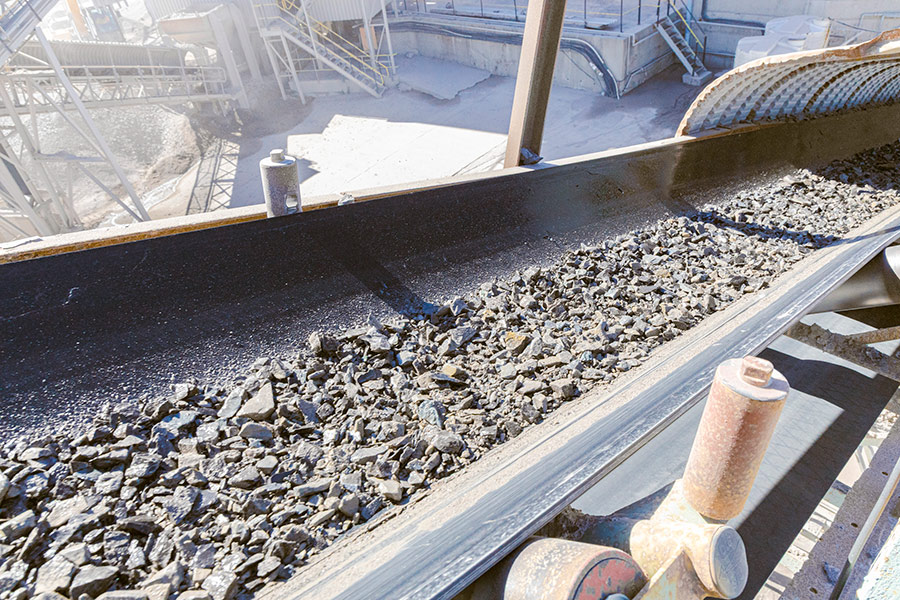
Primary A operates with a larger 38/48 Astec jaw crusher fed by an apron feeder. The section is supplied by two 35-t articulated dump trucks (ADTs) at a feed rate of 450 tph. Additional equipment includes three conveyor belts, one screen and a Sandvik H6800 cone crusher.
The product range from this section includes competent ‘blue’ material to the intermediate stockpile (ISP), unwashed crusher dust, 10 mm, 14 mm and 37 mm run-of-crusher (ROC) material.
One of the key challenges on Primary A is the apron feeder, says Kruger. Ideally, he explains, a vibrating grizzly feeder (VGF) would have been preferred, as it combines feeding and scalping into a single unit. This pre-screening capability allows undersize material to bypass the crusher, increasing capacity while reducing wear.
“From the onset, when the plant was designed, a VGF was considered, but it was not feasible due to space constraints. This led to the decision to install an apron feeder. The existing apron feeder is due for an upgrade within the next few months. Installing a new modern unit will help reduce bottlenecks and maximise throughput,” explains Kruger.
Plant B operates a smaller 30/42 Astec jaw crusher equipped with a VGF. The plant is generally fed by a 30-t ADT at a feed rate of 250 tph.
Initially designed to process subbase and base material, Primary B has evolved into a multi-purpose plant capable of processing both ‘blue’ and ‘brown’ materials. Should Plant A become unavailable, Plant B can be configured to supply the ISP with ‘blue’ material.
Comprising nine conveyor belts, one screen, a Sandvik CH440 cone crusher and a VSI, Plant B produces base and subbase materials (G1-G7), 20 mm concrete stone, as well as 10 mm and 14 mm ROC material. It can also feed ‘blue’ rock to the ISP.
The tertiary plant is fed from the ISP through tunnel feeders. This section comprises six conveyor belts, four screens, two Sandvik cone crushers (H4800 and H3800) and a Barmac VSI. Its product range includes 53 mm, 37 mm, 28 mm, 20 mm, 14 mm and 7 mm concrete stone, as well as unwashed crusher dust.
The sand plant comprises five conveyor belts, a screen and a VSI. While primarily used to produce unwashed crusher dust, Kruger says it has recently also been deployed to reprocess unsellable material into unwashed crusher dust, and 20 mm concrete stone.
The washing plant, comprising two conveyors, a screen and a feeder, is used mainly for washed roadstone production, with various sizes processed according to market demand.
Current and future expansions
To capitalise on growing market demand, AfriSam Peninsula Quarry has invested in a number of plant expansion initiatives. One example is the recent installation of a temporary gabion plant in the Plant B section to support the production of gabion stone.
“The gabion plant comprises a single conveyor belt, a screen and a chute arrangement. The plant enables integrated gabion production capability within the main plant,” explains Kruger. “This investment has been driven by increasing demand for gabion stone in civil construction applications, including gabion baskets, retaining walls and soil stabilisation.”
At the sand plant, a modular plant comprising three conveyors and a screen has been installed to extend processing capabilities. According to Kruger, the unit is primarily used to reprocess non-sellable or slow-moving material. The modular plant is designed to produce -6 mm unwashed crusher dust, as well as 10 mm and 14 mm concrete stone.
Mining optimisation
A key factor behind Peninsula Quarry’s success is its continued focus on optimisation, which extends across the entire operation – from the quarry face through to the processing plant.
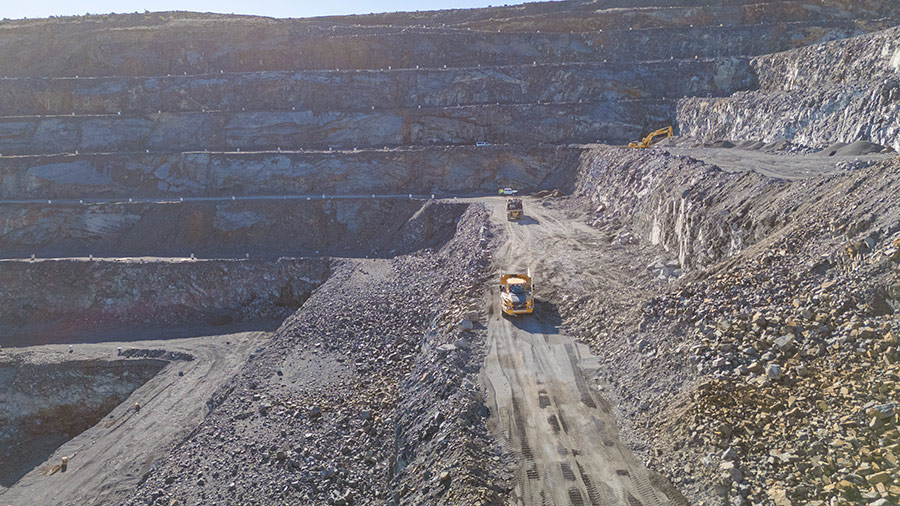
Optimisation begins with effective quarry design and mine planning. Mining is currently progressing in a southerly direction, with 11 active benches along the southern boundary and an average pit depth of 110 m.
The long benches, measuring approximately 400 m wide and 10-12 m high, allow both rock types – ‘blue’ and ‘brown’ material – to be extracted from the same bench, reducing blasting requirements and improving operational flexibility.
“In the quarry, we minimise steep inclines and ensure haul roads are maintained regularly. Minimising steep gradients is essential to maximise payload efficiency, improve safety and extend equipment life. When haul roads are too steep, trucks consume more fuel, face increased braking risks and experience premature mechanical and tyre wear,” says Kruger.
Effective blast design is another critical component of optimisation. The quarry focuses on achieving consistent fragmentation, preventing flyrock, controlling ground vibration and creating manageable muck piles through careful management of blast parameters.
“With a blasthole diameter of 115 mm, burden and spacing of 3,9 x 4,3 m, and stemming of 2,8 m, we achieve good fragmentation to feed both primary plants with the correct rock size. We feed a 700 mm top size on Primary A and up to 400 mm on Plant B,” explains Kruger.
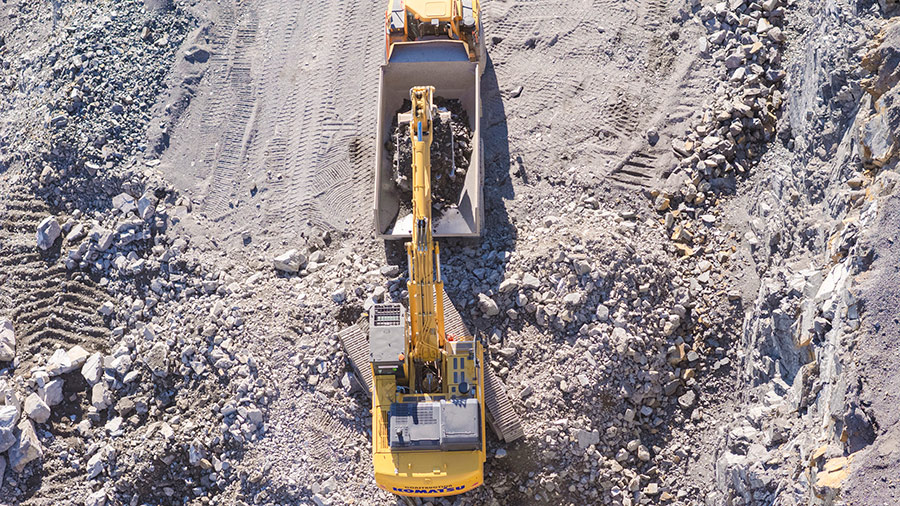
Given that load and haul operations represent one of the largest cost drivers in quarrying, continuously monitoring turnaround times (TAT) and payloads is critical. These measurements provide real-time insight into bottlenecks and enable the team to improve productivity.
Equipment selection is another important focus area. Peninsula Quarry places strong emphasis on equipment reliability and ensuring the correct fleet size to meet production requirements.
“As part of our agreement with the load-and-haul contractor, we avoid using heavy mining equipment beyond 15 000 hours to minimise catastrophic breakdowns, optimise maintenance budgets and prevent significant drops in productivity. Similarly, our own dispatch equipment is not used beyond 15 000 hours as part of the service-level agreements with suppliers,” says Kruger.
The quarry also specifies the use of original equipment manufacturer (OEM)-approved equipment to ensure compliance with safety and performance standards.
Given the throughput-driven nature of quarrying, monitoring Overall Equipment Effectiveness (OEE) is essential to optimise production, extend asset life and maximise profitability.
“We measure daily plant availability and throughput to achieve the desired efficiencies. We maintain PRI of 100% and plant availability of at least 68%,” says Kruger. “To achieve this, we maintain a structured scheduled maintenance regime and ensure integrity of workmanship, where everyone takes ownership.”
Other optimisation initiatives
Resource consumption is another key focus area at AfriSam Peninsula as the operation seeks to reduce costs while minimising its environmental footprint. By monitoring and optimising the use of energy, water and raw materials, the quarry not only improves operational efficiency but also strengthens its social licence to operate.
As part of this strategy, the operation measures fuel consumption across all assets, maintaining an average of 0,7 litres per tonne. Electricity consumption is also closely monitored, with kilowatt-hour (kWh) usage converted into a cost-per-tonne metric to assess efficiency.
To further reduce energy consumption, the quarry is evaluating the replacement of older electric motors with modern high-efficiency units. The upgrade is expected to reduce electricity costs while lowering maintenance requirements.
Water management is another important focus area. Closely monitoring both billed and unbilled water consumption allows the quarry to identify cost-saving opportunities, improve budgeting and enhance environmental management.
“During the 2017 drought, we took proactive steps to reduce our municipal water consumption,” says Kruger. “By switching our ablution facilities and onsite readymix plant to quarry pit water, we reduced our reliance on municipal water by 85%.”
Technology also plays an increasingly important role in Peninsula Quarry’s optimisation strategy. The quarry uses AggFlow simulation technology to optimise plant performance and support data-driven decision-making. By simulating crushing and screening circuits before implementing changes, the management team can identify bottlenecks, evaluate equipment configurations and determine the most efficient operating parameters to improve throughput.
The operation is also replacing traditional bearings with split bearings to reduce plant downtime. Unlike conventional solid bearings, split bearings can be installed or replaced in situ without removing adjacent heavy equipment such as drive couplings, gearboxes or motors. This significantly reduces repair times and minimises production losses.
Compliance matters
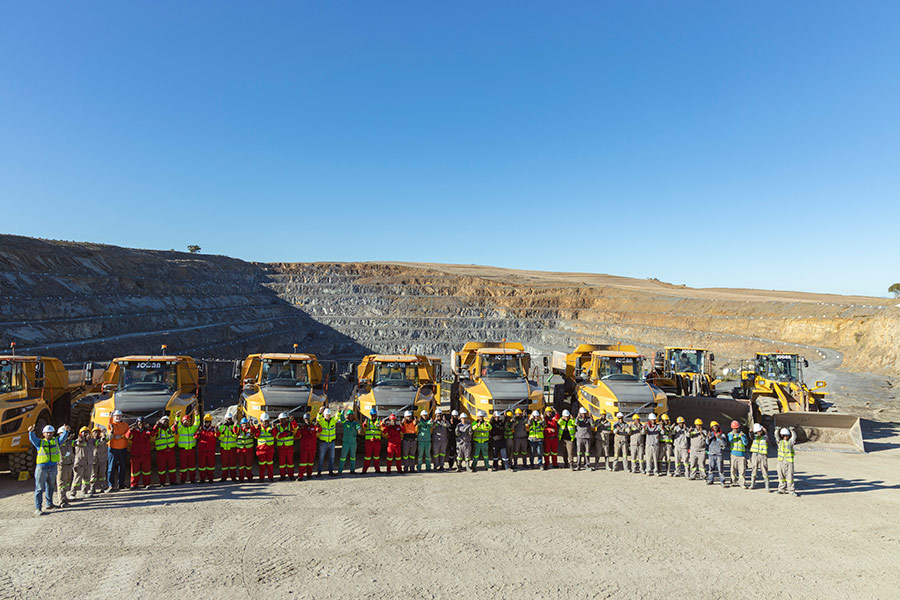
Despite operating at high production levels, AfriSam Peninsula Quarry maintains an uncompromising commitment to safety, environmental responsibility and regulatory compliance. Every aspect of the operation is carefully managed to ensure production targets are achieved without compromising the wellbeing of employees, contractors or surrounding communities.
According to Kruger, effective safety performance depends on shared responsibility across the organisation. For this reason, Peninsula Quarry places strong emphasis on Competence Based Safety (CBS), encouraging active participation and accountability at all levels of the operation.
The quarry has implemented a Traffic Management Plan in line with regulatory requirements. The plan helps reduce the risk of vehicle-related incidents, improves operational efficiency and supports the operation’s legal obligation to provide a safe working environment.
Technology has become an important enabler of improved safety performance. The installation of cameras throughout the plant and on earthmoving equipment has enhanced visibility and situational awareness.
Within the plant, cameras provide operators with a broader view of areas such as chutes, where blockages and material spillages are common. Cameras fitted to earthmoving equipment provide real-time visibility of blind spots around heavy machinery, further reducing the risk of incidents.
Launched in 2016, the “AfriSam Way” has strengthened the company’s safety culture by positioning occupational health and safety (OHS) as a core value and competitive advantage rather than simply a compliance requirement.
The approach is built on visible leadership, employee empowerment, technology adoption and continuous engagement, with the goal of creating a Zero Harm environment.
“As part of the ‘AfriSam Way’, we maintain an effective leadership culture to create shared clarity of purpose and direction. This ensures team alignment, engagement and focus,” concludes Kruger.
Balancing productivity and responsibility
AfriSam Peninsula Quarry demonstrates that high-volume aggregate production and responsible operational management are not mutually exclusive. Through continuous optimisation, technology adoption, disciplined maintenance practices and a strong safety culture, the operation has created a model for sustainable quarrying.
As market demand continues to grow, the quarry’s focus remains firmly centred on finding the right balance – delivering reliable aggregate supply while protecting people, resources and the environment for the future.