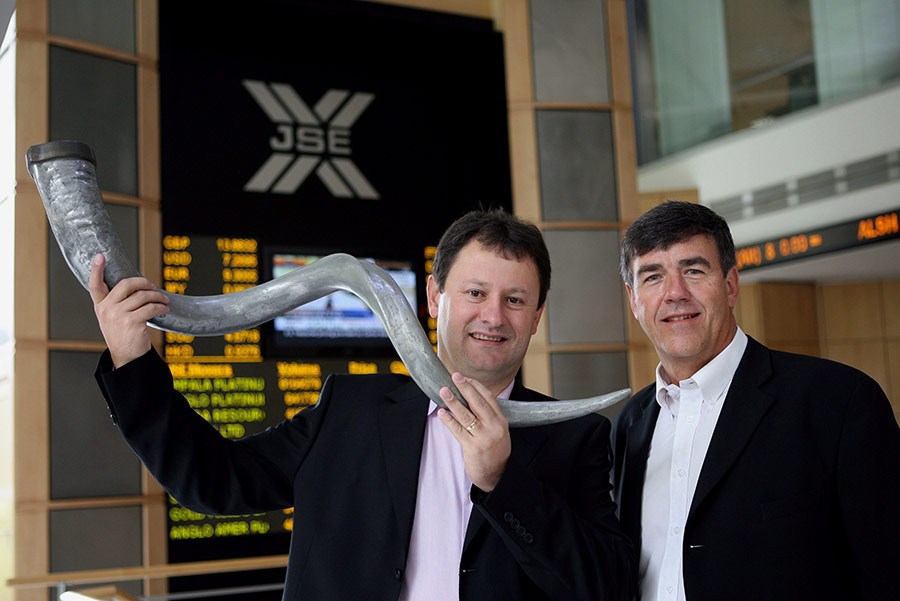
Formed in 2006 through the merger of two established South African construction materials businesses, Prima Klipbrekers and Lancaster Quarries, Afrimat listed on the JSE Main Board on November 7, 2006, entering the Construction and Materials sector.
Reflecting on two decades as a listed company, Van Heerden identifies the scale of Afrimat’s growth as one of the most significant milestones. What started as a small construction materials business has evolved into a diversified mining and materials group with a multi-billion-rand revenue base.
To put this growth into perspective, Afrimat reported annual revenue of R349-million at the time of its listing in 2006. Two decades later, the company generates more than R10-billion in annual revenue, representing growth of more than 28 times since listing. This equates to sustained compound annual growth of approximately 18% over the period, highlighting the success of its long-term diversification and value-creation strategy.
Diversification strategy
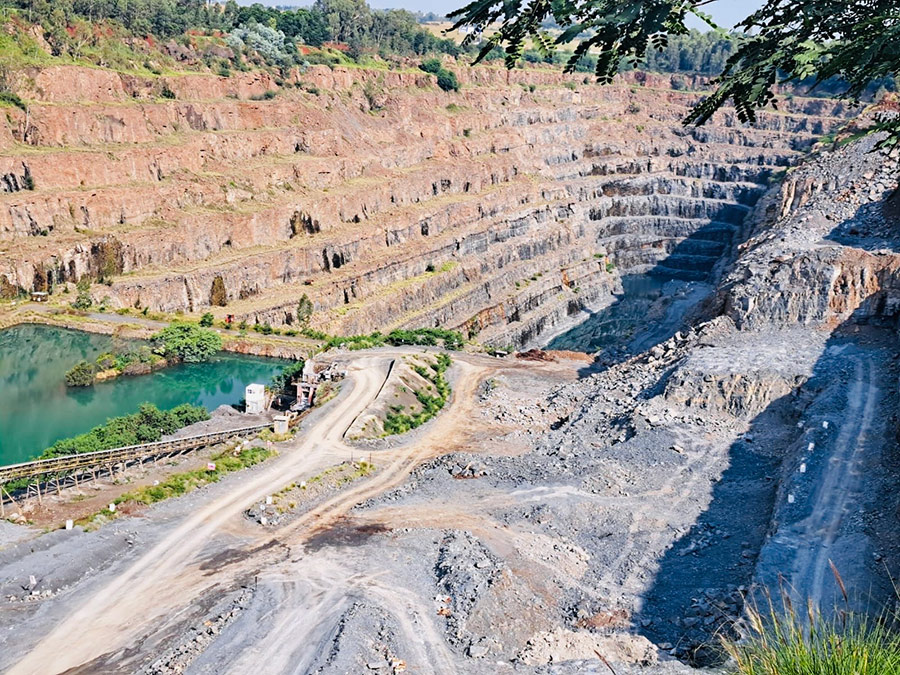
Several pillars have underpinned Afrimat’s growth over the past 20 years. According to Van Heerden, one of the most significant has been the company’s diversification strategy, which he regards as a defining milestone in Afrimat’s two-decade growth journey.
“Afrimat’s growth over the past 20 years has been driven by a disciplined acquisition strategy, with each transaction either expanding our geographic footprint, broadening our product offering or diversifying it into new mining commodities,” he says.
The period from 2007 to 2012 represented a phase of building scale in construction materials, driven by acquisitions in quarries, aggregates and concrete operations. Between 2011 and 2016, Afrimat entered a diversification phase of expanding into industrial minerals through strategic acquisitions such as Glen Douglas, SA Block and Cape Lime. From 2016 onwards, the company underwent a broader transformation into a diversified mining group, expanding into iron ore, anthracite, mining services, phosphate and rare earth elements.
The 2007 acquisition of Malans Group and Denver Quarries marked Afrimat’s first acquisition following its listing. These transactions expanded the company’s footprint into the Western and Eastern Cape regions, while strengthening its aggregates and sand operations.
In 2011, Afrimat acquired Glen Douglas Dolomite Quarry from Exxaro, marking the company’s entry into industrial minerals and reducing its reliance on traditional construction materials. This was followed in 2012 by the acquisition of SA Block Group, which provided Afrimat with a foothold in the clinker market and expanded its presence in cement-related materials.
In 2013, Afrimat acquired a 50,7% stake in Infrasors Holdings. This acquisition added industrial mineral capabilities, including silica, limestone and other quarry products, while significantly expanding the company’s national footprint. Afrimat subsequently acquired the remaining minority interests, consolidating its ownership of the business.
The 2016 acquisition of Cape Lime further strengthened Afrimat’s industrial minerals portfolio and established the company as a leading producer of lime products.
The same year, Afrimat went on to acquire Northern Cape-based Demaneng Iron Ore Mine, and this became a transformational deal that positioned the company in bulk commodities and iron ore production. In 2021, the company acquired Nkomati Anthracite Mine out of business rescue, adding anthracite coal to its bulk commodities portfolio.
The 2021-2022 acquisitions of JEF Drill & Blast (now Afrimat Mining Services), and of Coza Mining, expanded Afrimat’s mining services capabilities and enhanced its vertical integration strategy. From 2021 onwards, Afrimat continued to diversify through the acquisition of the Glenover assets and subsequently Glenover Phosphate. These investments expanded the company’s exposure to phosphate, fertilisers and rare earth elements, leading to the establishment of the Future Materials & Metals division.
Return to roots
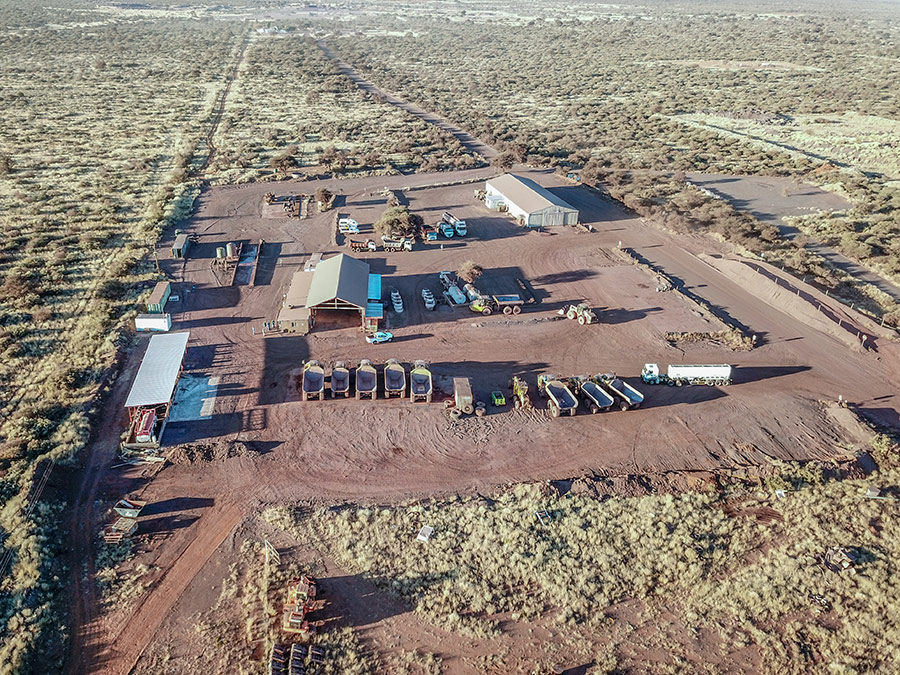
One of the defining milestones of Afrimat’s 20-year history, according to Van Heerden, was the 2024 acquisition of Lafarge South Africa – the largest acquisition undertaken by the group to date. The transaction represented a strategic return to Afrimat’s roots in construction materials while significantly expanding the company’s national footprint, broadening its product offering and enhancing its ability to support large-scale infrastructure and construction projects across South Africa.
Van Heerden emphasises the symbolic importance of the acquisition, noting that when Afrimat was established, Lafarge was South Africa’s largest aggregates supplier. Following Afrimat’s acquisition of Lafarge South Africa’s operations, the company has since become the country’s largest aggregates producer – a milestone that reflects the scale of Afrimat’s growth and validates its long-term acquisition and diversification strategy.
“The Lafarge acquisition was a particularly proud moment for me and the team at large,” says Van Heerden. “At the time of our listing, Afrimat operated 18 quarries. Following the Lafarge transaction, we have become the largest aggregates producer in South Africa, with a formidable footprint of 43 quarries across the country. For me, that represents a significant achievement and one of the most important milestones in our history.”
While the acquisition itself represented a major step in Afrimat’s growth journey, Van Heerden believes that successfully integrating and transforming the business was equally significant. Given the challenges facing Lafarge South Africa at the time of acquisition, Afrimat’s ability to stabilise operations, restore performance and unlock value through effective integration represents another defining achievement in the company’s 20-year history.
The value of diversification
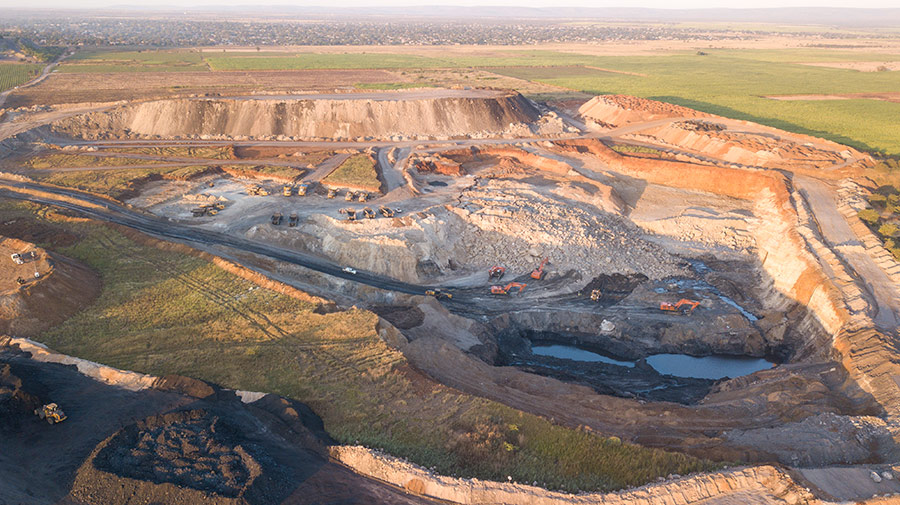
Over the years, Afrimat’s diversification strategy has played a critical role in strengthening the business’s resilience against economic cycles and market headwinds. According to Van Heerden, following the 2010 FIFA World Cup, South Africa experienced a significant decline in infrastructure spending. Afrimat recognised early on that the growth achieved during its formative years could not be sustained if the company remained focused solely on construction materials.
This realisation informed the decision to diversify initially into industrial minerals, followed by expansion into bulk commodities and, more recently, phosphate. These businesses created additional revenue streams and enhanced the group’s ability to navigate changing market conditions. At one stage, bulk commodities became Afrimat’s largest and most profitable operating segment.
The importance of this diversified model is further demonstrated by the resurgence of construction materials as the group’s leading segment. The acquisition of Lafarge South Africa, combined with a recovery in the construction sector, has repositioned aggregates as Afrimat’s largest operating business. The transaction significantly expanded the company’s aggregates footprint, restoring the division as the group’s biggest contributor in 2026 and reinforcing the strategic importance of construction materials within Afrimat’s diversified portfolio.
Capital allocation
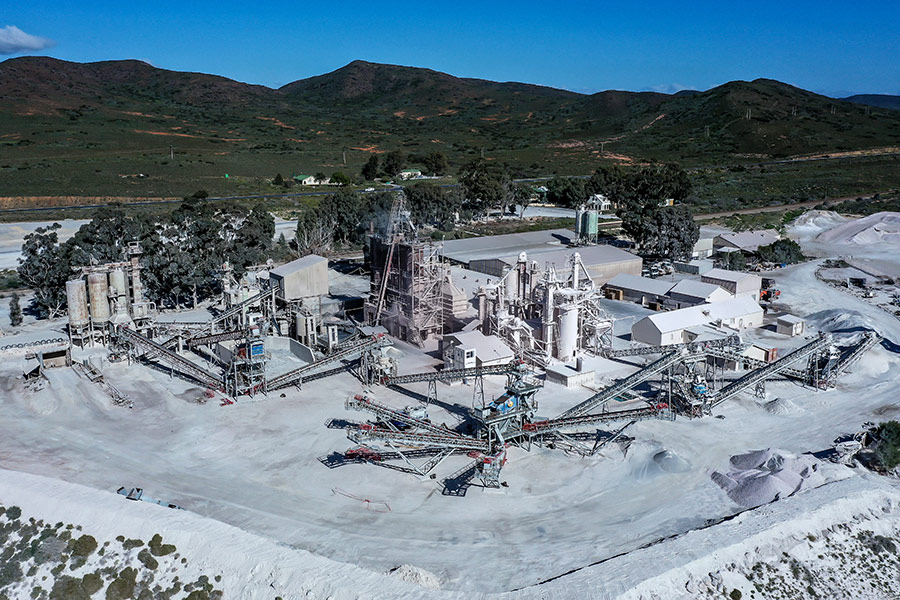
A key element of Afrimat’s acquisition strategy is its disciplined approach to capital allocation. Rather than pursuing growth for its own sake, the company targets businesses it believes can generate sustainable long-term value.
Through careful due diligence, disciplined pricing and a strong focus on operational improvements after acquisition, Afrimat seeks to ensure that every asset contributes meaningfully to earnings and delivers value over time.
Afrimat’s acquisition strategy has often focused on identifying businesses with strong underlying assets but where operational challenges have created opportunities to acquire them at attractive valuations. By investing capital prudently, applying its operational expertise and implementing turnaround initiatives, Afrimat has been able to unlock value from distressed assets while achieving competitive returns on its investments.
“In principle, the most important consideration for us is ensuring that an asset can deliver an appropriate return on capital over time. We are not solely focused on the numbers in a spreadsheet; instead, we apply a broader assessment that considers a range of metrics. We typically look for opportunities where assets can be acquired at attractive valuations, while also assessing the underlying growth potential of the business to ensure it can create sustainable long-term value,” says Van Heerden.
Tech to the fore
Over the years, Afrimat has made targeted investments in technology to enhance operational efficiency, improve decision-making and unlock additional value across its businesses. These investments have supported the company’s ability to optimise processes, increase productivity and extract greater value from its assets over the long term.
“We have made significant investments in technology to ensure that we capture the right data from all our assets, initially focusing on our earthmoving equipment and later extending this to our fixed plants. We use platforms such as AVA for our earthmoving equipment, while we have also developed internal platforms for our crushing plants. All of this information feeds into a central data pool, supported by a team of data scientists who help us interpret the data accurately and use these insights to make informed decisions that improve our operations,” says Van Heerden.
Skills development
Over the past two decades, skills development has been a fundamental component of Afrimat’s growth strategy, enabling the company to build the capabilities required to support operational excellence and long-term expansion.
“Some 17 years ago, we proactively started attracting young graduates through our internship programme. The two-year programme provides graduates with valuable practical experience while creating a strong internal talent pipeline to support future vacancies,” says Van Heerden. “It is encouraging to see that many of our quarry managers, as well as some specialists, have progressed through this programme.”
Beyond its internship programme, Afrimat continues to invest significantly in training and development across all levels of the organisation – from technical skills development to management and leadership programmes. “We always have a number of employees enrolled in post graduate programmes such as MBA programmes, and we also provide opportunities for selected employees to gain international exposure and further enhance their skills,” he says.
Van Heerden notes that developing skills is only one part of the challenge; retaining those skills is equally important. While employees value recognition and competitive remuneration, he believes that company culture plays an even greater role in maintaining long-term engagement and loyalty.
Creating an environment where employees feel respected, supported and connected to Afrimat’s broader journey is, according to Van Heerden, essential to attracting and retaining the talent required to sustain the company’s continued growth.
Outlook
Looking ahead to Afrimat’s next 20 years, Van Heerden believes the company will continue to identify and pursue attractive acquisition opportunities that support its long-term growth strategy. In the near term, however, the priority remains strengthening the balance sheet and ensuring that Afrimat is well positioned to capitalise on future opportunities.
“We are currently exploring an interesting opportunity to add another commodity to our portfolio. We are also considering strong opportunities to expand our operations into neighbouring countries,” says Van Heerden. “Over the next 20 years, I envisage Afrimat becoming a multinational company with a diversified portfolio, a strong operational focus and a team of people who are committed to execution while continuing to live the values of the company.”