A capacity figure only tells part of the story when the feed material, product requirements, circuit layout and downstream duty are understood. Two plants with similar nominal capacities can perform very differently in the same quarry because the assumptions behind those figures are not always the same.
Start with the feed
Maximum feed size matters, but it is only part of the picture. Feed gradation, natural fines, moisture and clay content can all change the actual duty of the primary stage. A feed made up mostly of large, clean rock is very different from one that already contains a high proportion of fine material.
That is why the first conversation should cover more than the largest lump size. The operator should understand the normal size distribution, how much fines content is present, whether the material becomes sticky in wet weather and how much the feed varies across the deposit.
Where a meaningful proportion of the feed is already smaller than the required primary crusher product, scalping can reduce unnecessary crushing duty. But scalping is not automatically the right choice. If the feed does not justify it, another stage simply adds equipment, maintenance and transfer points. The decision should come from the material, not from a standard flowsheet.
Define what the primary stage must deliver
A jaw crusher is not selected in isolation. Its discharge needs to suit the next step in the process. A jaw feeding a secondary impact crusher or cone crusher may need a different target product from a jaw feeding directly to a screen.
The practical question is not only, “What is the largest rock the jaw can accept?” It is also, “What size range does the next stage need to operate steadily?” If that handoff is poorly defined, the result can be unstable secondary loading, excess oversize or unnecessary recirculation.
Treat capacity as a plant figure
Published crusher capacities are useful references, but a complete plant depends on much more than the crusher model. Feeder performance, crusher setting, rock density, moisture, screen loading, conveyor capacity, transfer points, recirculating load and surge arrangements all influence actual throughput.
This is why two quotations both labelled 200 tph may not be directly comparable. One may assume uniform, easy-flowing feed and a simple product requirement. Another may be based on tighter product sizes or more difficult material. A good quotation should make these assumptions clear.
Work backwards from the saleable products
A quarry does not buy a crushing plant simply to make rock smaller. It buys a system that produces saleable aggregate. Before finalising the circuit, the operator should define the required finished sizes, the number of product fractions, the expected split between those fractions and whether particle shape is important.
Those requirements determine screening duty and strongly influence secondary-crusher selection. A plant producing several tightly controlled products may need more screening area and more internal recirculation than a plant producing a single crusher-run material.
Do not ignore recirculating load
Closed-circuit crushing improves product control, but screen oversize returned to the crusher increases the internal material flow. A plant receiving 200 tph of fresh feed can therefore require downstream equipment capable of handling more than 200 tph internally.
The screen, secondary crusher and conveyors should be checked together. If recirculating load is underestimated during the proposal stage, the plant may be difficult to balance once it is operational.
Use mobility for a reason
Mobile and semi-mobile equipment can be very effective where the working face changes regularly, project duration is limited, haul distances are significant or civil works need to be reduced. But mobility is not automatically an advantage.
For a long-life quarry with a stable feed point, a stationary or semi-stationary arrangement may provide simpler material flow, better maintenance access and more room for future changes. The right question is not whether a mobile plant is more modern. It is whether mobility solves a real operating need at that quarry.
Plan maintenance before commissioning
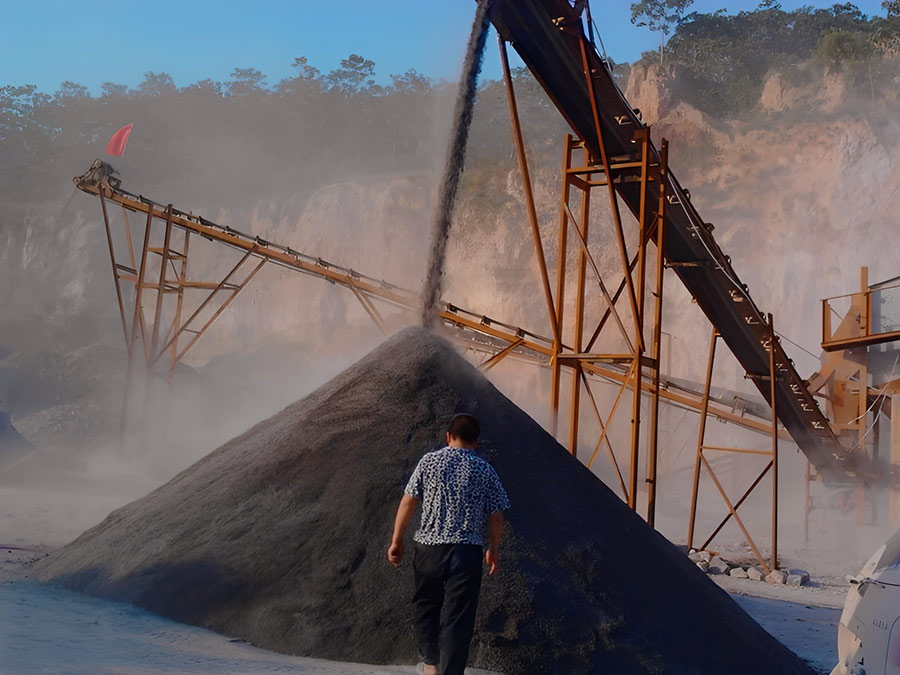
A compact layout may save space, but poor access around crushers, screens and transfer points can make routine maintenance unnecessarily difficult. Wear part replacement, screen access, lifting space, belt inspection and safe blockage clearing should all be considered while the plant is still on paper.
These details rarely appear in a simple capacity comparison, yet they have a direct effect on plant availability and day-to-day operating efficiency.
Compare the complete duty
For a 100-300 tph quarry plant, equipment selection should start with the material and required products, then move through the duty of each stage before individual machines are chosen.
The strongest proposal is not necessarily the one carrying the largest ‘tph’ number. It is the one whose complete configuration fits the quarry’s actual operating conditions and clearly explains the assumptions behind its performance.