There is a strong history and heritage within South Africa’s mining communities, and by focusing on the provision of quality and effective healthcare, Platinum Health Medical Scheme is making these communities even stronger.
As South Africa celebrated Heritage Month in September, it is worth considering the legacy that is left for future generations. In particular, the social and economic foundations we build for our families and communities – and when it comes to mining communities, one of the most enduring legacies is access to quality healthcare.
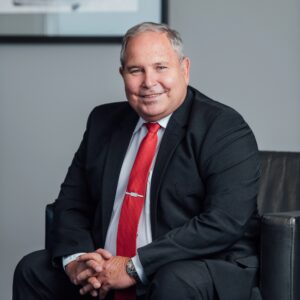
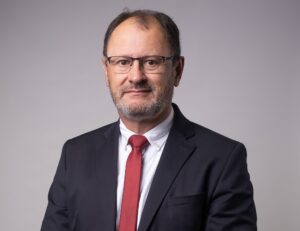
Albert Kokota, Nursing Services Executive at Platinum Health Medical Scheme, affirms that the Scheme understands the importance of heritage, which is why Platinum Health Medical Scheme invests in people.
Investing in people, strengthening communities
“This investment comes in the form of training nurses from within the local communities and also recruiting within these communities. After training, we either provide these nurses with direct employment or, when there are no vacancies, we have at least given them the skills to work within their own communities and improve the overall access to healthcare in these regions,” he explains.
“A great example of how we have built such heritage is one of my favourite success stories: a security guard at one of our clinics was so passionate about assisting people that he would come to our facilities to help of his own volition. Recognising his deep desire to help his community, we as a Scheme decided to provide training to him, and he is now an Enrolled Nurse at one of our community facilities.”
Isaac Lecholo, the Enrolled Nurse in question, takes up the story: “In 2002, I was hired as a member of the security personnel who undertake guard duties at Platinum Health’s consulting rooms. I noticed that there was a shortage of staff and took it upon myself to begin assisting patients by taking them from their vehicles – via wheelchair – to the consulting rooms.”
“Furthermore, I went the extra mile by answering phone calls and reassuring the people waiting in the queue at the waiting room to exert patience, while the duty nurse was busy assisting others.”
He adds that his love for helping people in his local community developed even before receiving any formal training in the nursing profession.
“After undergoing formal training between 2008 and 2010, and qualifying as an Enrolled Nurse, I then took it upon myself to continue caring for the people in my community. Now that I am more knowledgeable and informed within this profession, I am able to more effectively demonstrate the love and care I have for my people, and I am grateful for the opportunity to continue to demonstrate this as I grow and accumulate additional experience in my profession,” says Lecholo.
Prevention starts with access to care
When it comes to health, explains Kokota, the Scheme recognises that prevention is better than cure, which is why the organisation promotes health education within mining communities and implements campaigns around early detection of diseases, so these can be treated before they become major problems. This, he adds, helps to reduce medical costs downstream.
“From the perspective of these members, early detection and correct diagnosis has a positive impact on their wellbeing, as well as that of their families and broader communities. The earlier we treat them, the better for their own wellbeing, while if they are healthy, they can potentially work more shifts, earn more money for their families, and thus also spend more within their communities, improving the overall local economy.”
He indicates that the Scheme has also established numerous clinics close to those areas where the mining communities reside – either at the mines themselves, or in the shopping centres servicing these communities – which makes for relatively easy access for most members.
“This is important, as when healthcare is easily accessible, patients do not miss their appointments, and it is also a simple matter for our staff to conduct follow-ups, as and when these are required,” he says.
“When treatment is not delayed, it saves on downstream healthcare expenses, so because our clinics are positioned nearby the communities we serve, we are in a position to help them manage their health issues quickly, easily and more cost-effectively.”
Healthy employees build stronger families
Kokota notes that health and fitness go together hand-in-glove, as a healthy employee must also be fit, and a fit employee is a more productive one. By encouraging fitness, Platinum Health enables employees to be more effective, ensures there are fewer sick notes and that these employees contribute further towards bonuses. This in turn, he says, means fit employees will be in a stronger position to better support their families.
“It is thus vital to ensure that our communities remain healthy and fit, as such people are more productive, meaning that they earn more and are able to better look after the wellbeing of their children. In this way, they are able to provide more effectively for their future and build a heritage their children can be proud of.”
Looking at things more broadly, he suggests that the Department of Health works closely with medical schemes to focus on the Sustainable Development Goals (SDGs) that they can play a part in achieving – notably those around poverty eradication and health education.
“To this end, the mines employ people from these communities, helping to achieve the goal of poverty eradication, while Platinum Health – thanks to early disease detection and building and staffing clinics to provide the services these communities need, as well as by offering bursaries to those within the communities – can address the health education SDG.”
A heritage worth building on
“Ultimately, many mining families have worked in the industry for generations, and that kind of heritage is one we need to build on. We believe that strong healthcare is the key to South Africa’s future, and so Platinum Health will continue to leverage its own heritage of delivering quality health services, in order to maintain and build on the massive heritage that exists within our mining communities,” concludes Kokota.