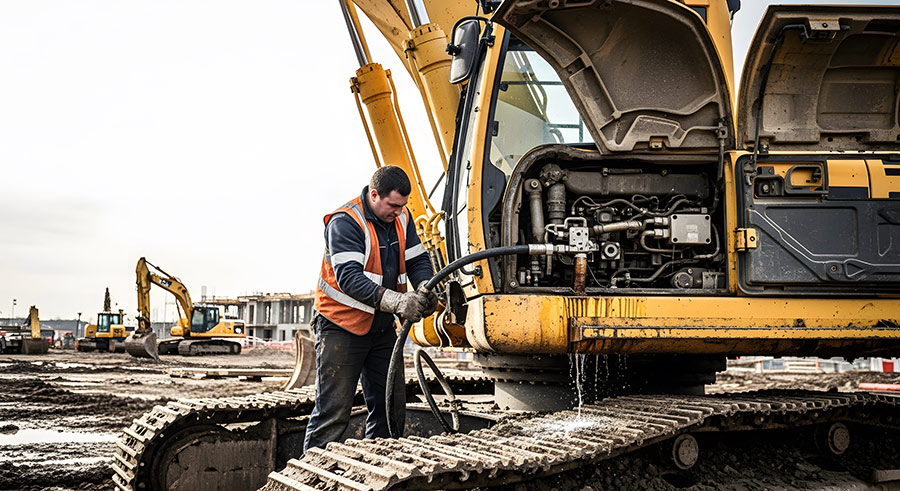
As part of its commitment to modernising Excise systems to provide a digitally enhanced, streamlined experience that optimises service delivery and compliance, SARS has announced the development of a new Diesel Refunds regime. Under the new dedicated platform, diesel refunds will become a standalone Customs and Excise process, not a VAT offset. This change, explains Hancock, is driven by compliance failures, fraud risk and administrative complexity under VAT.
In future, primary sector claimants operating onland in qualifying farming, forestry and mining activities will be entitled to claim a refund on 100% of eligible diesel used. This amendment streamlines the administration of the Diesel Refund Scheme.
Background
In the Budget Speech of 2025, the Minister of Finance announced that, to align with the policy intent of the Diesel Refund Scheme, there would be an adjustment to the rate for onland diesel users. Note 6 to Part 3 of Schedule 6 of the Customs and Excise Act No. 91 of 1964 (The Customs Act), currently allows for diesel users in the farming, forestry and mining sectors to claim refunds on 80% of eligible diesel purchases and usage.
As a result of the announcement, Note 6 to Part 3 of Schedule 6 of the Customs Act will be amended to reflect that diesel users in the mentioned sectors can now claim refunds on 100% of eligible diesel purchases and use, instead of the previous 80%.
The system rollout commenced in January 2026 with a closed-group pilot with specified traders to evaluate the system’s efficiency before a full-fledged implementation.
Initially, SARS had communicated that by April 2026, complete registration would open to all traders, with the current VAT-based process continuing in the background for a period to ensure a smooth transition.
However, the revenue authority has recently communicated that the new Diesel Refund registration system will open later than initially envisaged. Although good progress has been made in developing a modernised system, SARS says additional time is required to pilot and test the system to ensure it is stable, secure and functional.
Overview
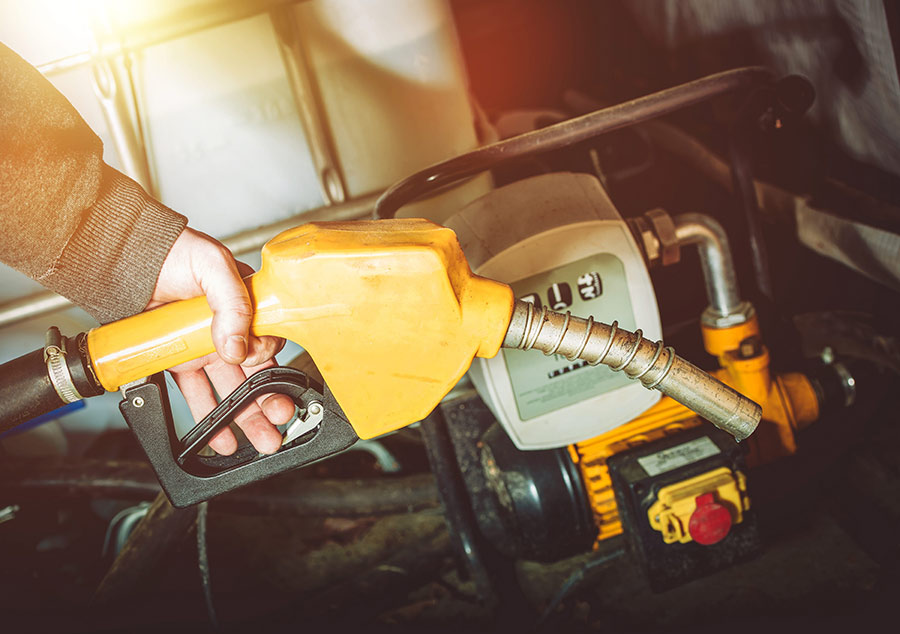
The move fundamentally changes how diesel refunds work. “For years, diesel refunds were processed through the VAT system, allowing refunds to be offset against VAT payable or included in VAT refunds. This created administrative complexity, excluded certain business structures, and made the system vulnerable to abuse,” explains Hancock.
“After a long review process that dates back to 2015, SARS has decided to remove diesel refunds from VAT entirely. In future, the diesel refunds regime will be treated as a standalone Customs and Excise rebate, with its own registration, compliance rules and claim process,” he adds. “While VAT registration still exists in the background, diesel refunds will no longer affect VAT liability calculations directly. This means no more automatic setoffs between VAT payable and diesel refunds.”
To support this change, explains Hancock, SARS is simplifying qualifying industry categories, introducing clearer and more flexible logbook rules, and enforcing stronger upfront compliance checks. The aim is to make the system easier for legitimate users while closing loopholes that previously enabled fraud.
“From late 2025 into 2026, all existing diesel refund users must re-register, link their equipment and activities, and prepare for a new digital claims platform that will fully replace VAT-based claims by 2026/2027,” urges Hancock, who highlights some of the major changes.
Logbook and record-keeping changes
- Monthly storage and usage records required (not per-transaction VAT style)
- SARS will provide minimum prescribed logbooks
- Entity-specific simplified logbooks will be allowed (simplified)
- Exemptions:
- Underground mining: no usage logbooks
- Fishing, offshore mining/shipping: no storage logbooks
Registration changes
- All current diesel refund users must re-register on the new system
- Sellers of diesel must also register
- Contractors using diesel on behalf of users must be linked via formal relationships
- Registration is done via RAV01, now separate from VAT registration
Compliance and risk
- Risk profiling introduced before registration approval
- Supporting documents mandatory and digitally uploaded
- Typical registration turnaround: 2-6 weeks, depending on risk rating
Immediate benefits
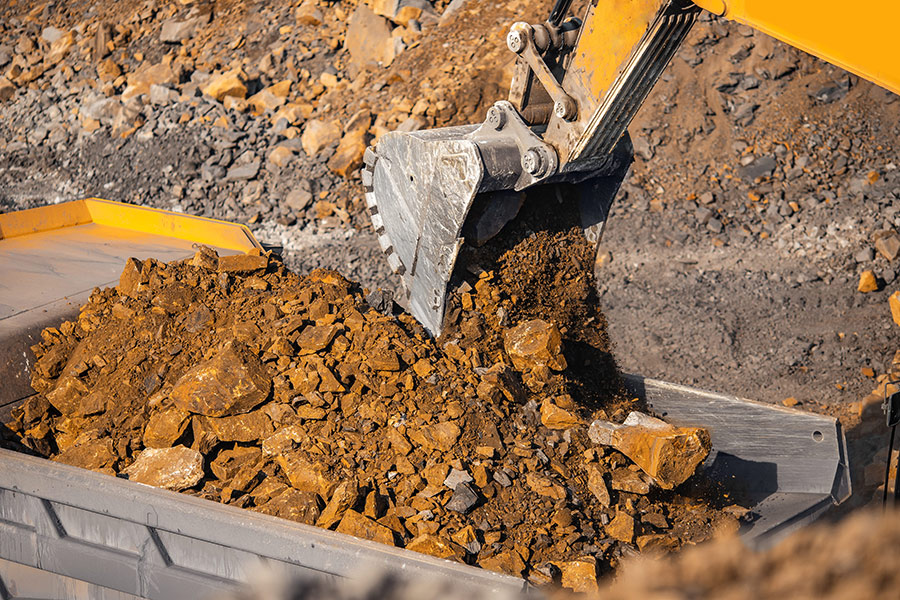
One of the immediate benefits of the new diesel refund system, says Hancock, is the fact that the qualifying sectors, including mining, can now claim refunds on 100% of eligible diesel purchases and use, instead of the previous 80% – a financial boost for the sector.
In addition, mining contractors will now be able to register as users, having previously been excluded from the system. “Contractors’ fuel usage was previously restricted to the ‘dry’ basis through the registered user. Under the new regime, contractors’ usage on ‘wet’ contract basis will be allowed,” says Hancock.
According to SARS, the new Diesel Refunds system offers enhanced traceability through the mandatory registration of sellers, improving oversight and compliance across the supply chain.
It also allows for the provision of online status updates, allowing users to track the progress of
claims in real time. Automated validations built into the system are designed to minimise errors and
reduce processing delays.

Recommendations
Hancock urges eligible users to always look at their logging compliance and align with the required criteria, such as usage logging (fuel burnt), eligible activities adequately evidenced, and proof of activity location.
Once registered, logging records will be simultaneous with return submission. It is envisaged that usage logs will be uploaded onto the profile with the return claim. Assets will be loaded onto the profile and identified as diesel-using equipment.
“Users must align themselves with registered fuel suppliers who, under the new regime, will also be required to register. If the fuel supplier is not registered, users will not be able to claim their diesel refund,” concludes Hancock.