Fuel is often one of the largest operating expenses for fleet operators, placing pressure on the ever-tightening margins across the transport and logistics sector. In heavy-duty and long-haul transport operations, where fuel can account for between 30% and 50% of total operating costs, every efficiency gain becomes commercially significant.
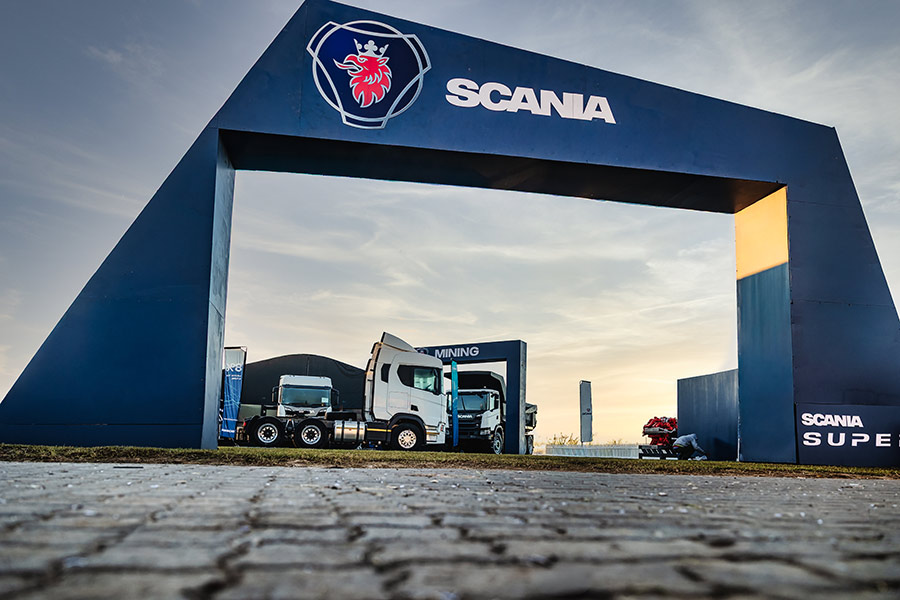
It is for this reason that Erik Bergvall, MD at Scania Southern Africa, believes the rollout of the Scania Super powertrain in the local market will have a significant impact on the profitability of transport operators, owing to its improved fuel efficiency and the resulting fuel savings that can be achieved with the Super powertrain.
“Efficiency is no longer just a technical performance metric. It has become a key driver of both profitability and sustainability,” says Bergvall. “Customers are increasingly focused on what efficiency delivers per kilometre, per load and across the full lifecycle of the vehicle,” he notes.
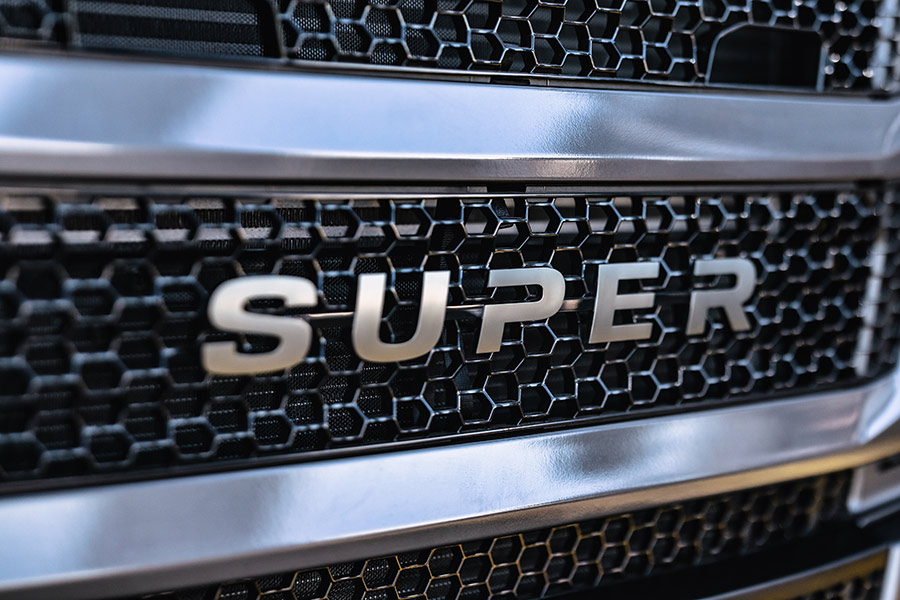
Efficiency = fuel savings
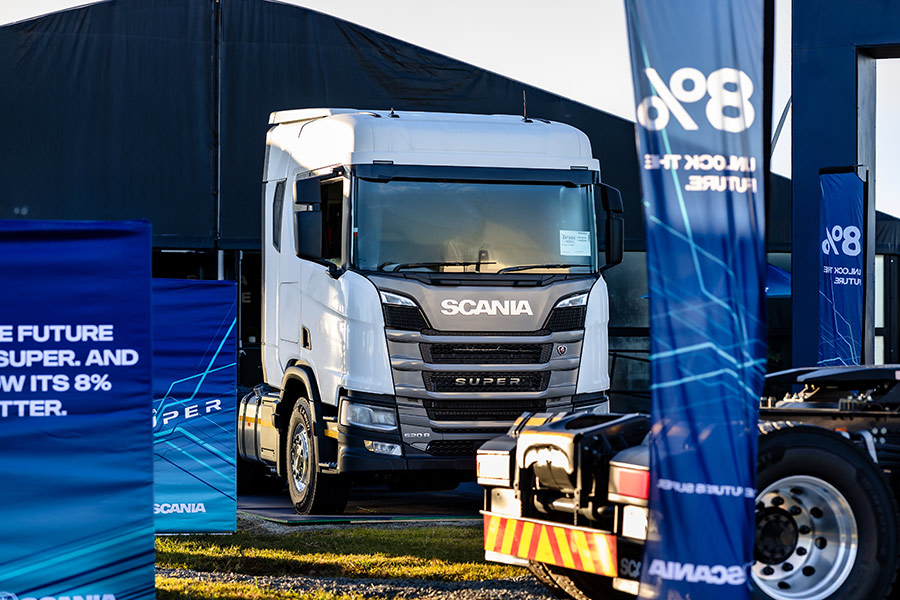
While the Scania Super powertrain is not new, having first been launched in the European market in 2021, South African customers have been conducting demonstration trials of the technology over the past 18 months. Locally, the Scania Super range is available in 420 hp, 460 hp and 520 hp variants in Euro 3 specification, while a 550 hp Euro 5 variant is also offered. The order book for the Super units opened in the final quarter of 2025, with the first customer deliveries taking place at the end of March and continuing through April.
What sets the Scania Super combustion engine powertrain apart from its predecessors in terms of efficiency and durability is the integration of the Super 13-litre engine, the addition of the fuel optimisation unit, the redesigned Opticruise gearbox, a new rear axle, and the modular chassis system design, which work together to reduce fuel consumption while improving payload potential.
Likely the last internal combustion engine powertrain range that Scania will produce, the Super range has been fully redesigned to limit energy loss and be as efficient as possible.
The Scania Super engine has been engineered for low engine revolutions and high torque. It has a new cylinder head design, with dual overhead camshafts – one for intake valves and one for exhaust valves – that allow for easier engine aspirations and improved combustion, using cam phaser technology to optimise the timing of the intake and exhaust valves.
Meanwhile, a new fuel system, with a dedicated fuel optimisation unit, draws and harnesses more usable fuel from the tank, reducing dead weight and extending the truck’s driving range, while a twin selective catalytic reduction system enables the dual dosing of AdBlue – in the turbocharger and in the powertrain’s exhaust aftertreatment process – to improve combustion efficiency and reduce harmful nitrogen oxide exhaust emissions.
Moreover, the redesigned Scania Opticruise gearbox range, available in a standard and heavy-duty model, is an integral part of the overall Super powertrain and has been engineered to be lighter, more compact, more robust and with lower levels of internal friction than predecessor platforms. The 14-speed gearbox, with super crawler and overdrive, enables lower engine cruising speeds and efficient torque management, resulting in smoother gear changes and reduced fuel consumption with high payloads in tough operations.
Combined with the new, faster-gearing R756 single-reduction rear axle, the axle integrates with the low-rev powertrain to further optimise both fuel efficiency and weight savings, while the modular chassis system design improves load distribution, payload potential, and the operative range of the truck.
A new engine management system integrates this all by synchronising the engine’s systems with the powertrain’s gearbox management system to achieve a 50% brake thermal efficiency, resulting in significant fuel efficiency, more value from every tank of fuel and a lower cost per tonne. The robustness of the Scania Super also contributes to greater uptime through longer maintenance intervals, while increasing operational life by as much as 30%.
The Scania Super has also been developed to deliver the best total operating economy (TOE) for customers, which goes beyond the traditional total cost of ownership approach by evaluating both the cost and revenue aspects of transportation operations. The TOE model focuses on efficiency and productivity by factoring in vehicle uptime, payload capacity, fuel efficiency and maintenance requirements, ensuring a strong return per kilometre.
Meeting African transport needs
Bergvall says the largest application of Scania trucks in South Africa is in regional and long- haul commodity transportation, while its trucks are also widely used in fast-moving consumer goods transportation, vehicle carrier operations and the agricultural sector. In mining and quarrying operations in particular, efficient haulage and road transport are vital to productivity when moving raw material from extraction points to processing plants and ports for export, or when transporting aggregates to end users and construction sites.
New technologies such as the Scania Super powertrain, which improves predictability, efficiency and uptime are becoming increasingly critical for transport operators seeking to remain competitive in a challenging economic environment. Rising fuel costs, operational inefficiencies such as unnecessary idling, inefficient route planning, poor load optimisation and unplanned downtime continue to place pressure on margins across the transport sector.
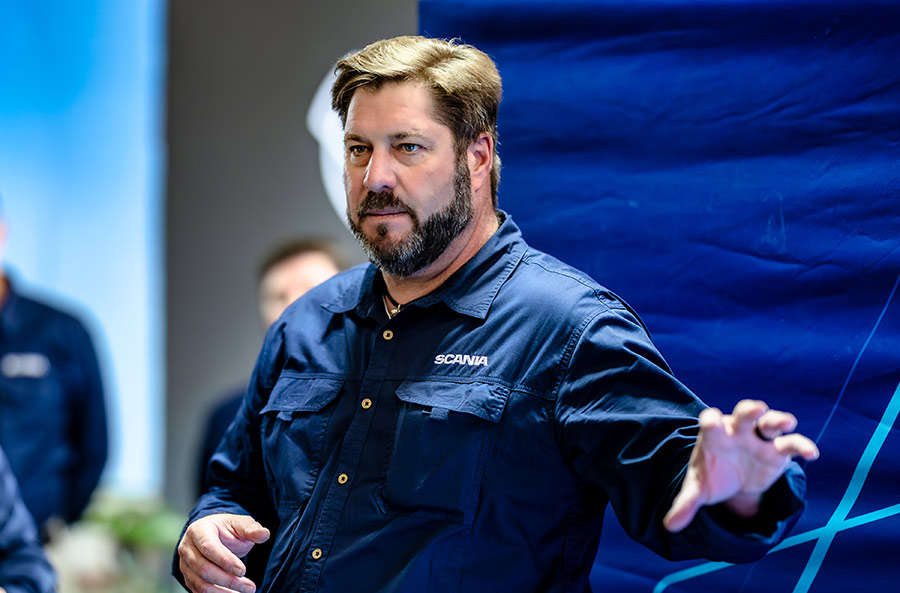
Mark Erasmus, GM for Sales and Marketing at Scania South Africa, says Africa is expected to be among the slowest regions to adopt electric vehicle (EV) technology. While the transition to lower-emission transport technologies continues, meaningful sustainability improvements can already be achieved by improving the efficiency of existing internal combustion technology.
“We expect that the transport sector on the continent is likely to prioritise the adoption of more efficient diesel engines and a transition to cleaner fuels like gas and renewable fuel alternatives, such as biofuels, for example, before EVs become the dominant purchasing choice,” Erasmus says. He notes that the Scania Super is fully compatible with low-emission hydrogenated vegetable oil fuels and, in some models, compatible with biodiesel – playing a key role in reducing emissions for specific markets such as Africa which is characterised by high-mileage, long-haul and cross-border transport operations.
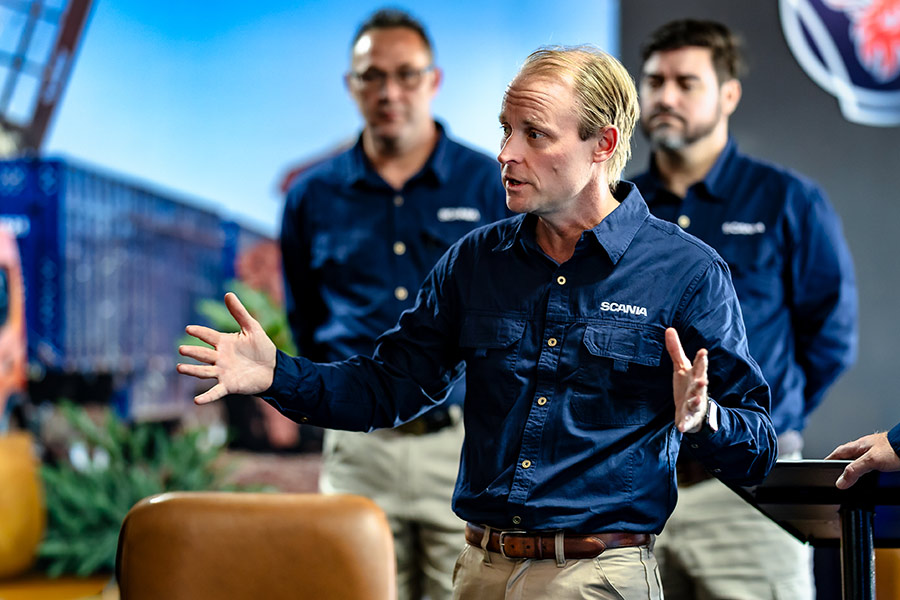
Echoing this sentiment, Mark Templeton, Sustainability Manager at Scania South Africa, says that improving efficiency within current truck fleets is one of the most immediate and scalable ways to reduce environmental impact and lower fuel costs. “Sustainability in transport is determined by how efficiently goods are moved today, not only by future energy transitions,” he adds.
The lower fuel consumption, improved payload efficiency and increased uptime of the Scania Super all contribute toward reducing emissions intensity while supporting commercially viable transport operations today.